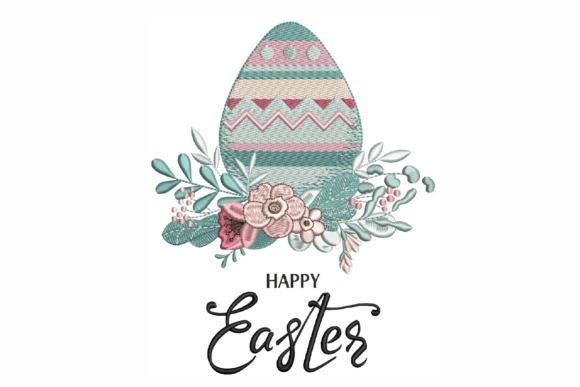
Easter Egg, Happy Easter: A Designer’s Review
As an embroidery designer who spends countless hours digitizing and stitching out files for clients, I have learned that not every festive design translates well to actual fabric. When browsing Creative Fabrica embroidery collections for the upcoming spring season, I look for designs that balance visual appeal with technical feasibility. Recently, I evaluated the Easter Egg, Happy Easter design to determine if it meets the standards required for professional handmade products and commercial use.
This review is written from the perspective of a practitioner preparing for real customer orders. Whether you are an Etsy seller, a boutique owner, or a hobbyist looking to elevate your seasonal gifts, understanding how a machine embroidery design performs on various textiles is crucial before you commit to production.
First Impressions and Visual Appeal
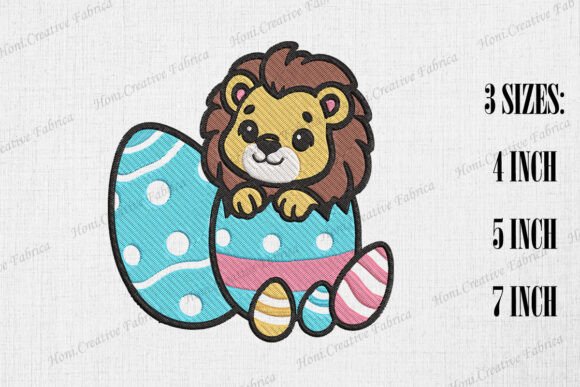
The Easter Egg, Happy Easter design immediately catches the eye with its festive mood. It features a beautifully decorated egg paired with celebratory text, creating a cohesive composition that screams spring. For designers, the visual balance between the graphic element (the egg) and the typography is essential. In this case, the design offers a charming aesthetic that fits naturally into categories like nursery decor, kitchen linens, and seasonal apparel.
The detail level appears sufficient to create interest without becoming overly complex. For a handmade product, clarity is key. If the details are too fine, they may get lost in the texture of the fabric. This design seems to strike a middle ground, offering enough intricacy to look premium while maintaining readability from a distance. The decorative appeal lies in its simplicity, making it versatile for both children’s items and adult home decor.
Performance on Real-World Projects
To truly assess the value of this embroidery file, we must consider how it behaves on different substrates. I imagined applying this design to several common commercial embroidery products to gauge its versatility.
- Tote Bag Design: Canvas totes are a staple for spring markets. The design’s structure should hold up well on heavy cotton, provided the stitch density is appropriate for the thick material.
- Sweatshirt Embroidery: Applying this to fleece or French terry requires careful attention to stabilizer choice. The text needs to remain legible despite the pile of the fabric.
- Kitchen Towels and Aprons: These items undergo frequent washing. The design must be durable, with secure start and end points to prevent unraveling.
- Embroidered Patch: If digitized for a patch, the edges need to be clean. This design could work well as an iron-on accessory for jackets or bags.
For those selling on platforms like Etsy, the Easter Egg, Happy Easter motif can significantly enhance buyer trust. A crisp, well-stitched image in your product photography signals quality. It helps with brand consistency if you are building a cohesive spring collection. Furthermore, as a personalized gift option, adding a name below the existing text could increase perceived value, though you must ensure the additional lettering does not clutter the original composition.
Technical Considerations for Stitching
While the visual preview is promising, practical execution requires diligence. Here are the technical factors I consider when working with a new digital embroidery file.
Fabric and Stabilizer Selection
The type of fabric dictates the success of the stitch-out. For stretchy fabrics like jersey knits used in custom apparel, a cut-away stabilizer is non-negotiable to prevent distortion. For woven fabrics like linen or cotton twill, a tear-away might suffice, but only if the stitch density is not too high. Dense areas can cause puckering, especially on lighter materials. Always test on scrap fabric first. This allows you to check thread color contrast and inspect small details after stitching without risking your final product.
Hoop Size and Placement
One critical detail often overlooked is the hoop size. Before purchasing or downloading, verify that the design fits within your machine’s maximum hoop capacity. If the design is large, it may require repositioning or a larger hoop, which not all home machines support. Additionally, consider curved surfaces like caps. Stitching a flat design on a curved cap surface requires specialized hoops and potentially adjusted tension to avoid gaps or pulls.
Thread Colors and Contrast
The beauty of an embroidered egg lies in its color palette. However, what looks good on screen may not translate perfectly to thread. Dark fabrics pose a challenge; if the design relies on light threads, ensure there is enough coverage to hide the background fabric. Conversely, on light fabrics, dark outlines must be precise. I recommend creating printable mockup versions with different thread colors to visualize the outcome before threading the machine.
Commercial Viability and Licensing
For creative entrepreneurs, the legal aspect is as important as the technical one. When using assets from Creative Fabrica, always confirm file details and licensing terms on the product page. Most designs come with a commercial license allowing you to sell finished physical items, but this varies. Never assume. Check if there are restrictions on the number of units sold or if the license covers digital resale (which it typically does not).
Using a high-quality applique design or standard fill stitch pattern like this can streamline production. If the design uses efficient satin stitch borders and balanced fill stitch interiors, it will stitch out faster, reducing machine time and wear. Faster production means better margins for your small business.
Final Verdict for Crafters and Sellers
The Easter Egg, Happy Easter design presents itself as a strong candidate for seasonal collections. Its festive nature makes it ideal for holiday decorations and seasonal gifts. However, its true value depends on your ability to execute it properly.
- Test First: Always run a test stitch on similar fabric to check for registration issues or thread breaks.
- Check Density: Ensure the stitch count is suitable for your fabric weight to avoid stiffness or puckering.
- Review Details: Inspect the tiny lettering and intricate egg patterns to ensure they are clear and not overly dense.
- Confirm License: Read the specific license terms on Creative Fabrica to ensure compliance for your commercial embroidery projects.
In conclusion, this design offers solid potential for tote bags, sweatshirts, and home decor. By paying attention to stabilizer choices, thread contrasts, and hoop limitations, you can transform this digital asset into a high-quality finished product that delights customers. For embroidery designers and shop owners, it is a worthwhile addition to your spring library, provided you approach it with the technical rigor it deserves.