Magic Moth: A Designer’s Review for Craft Fair Success
As an experienced embroidery designer who has spent countless weekends behind a booth table, I know that the difference between a browsing customer and a buying customer often comes down to visual impact. When I first loaded the Magic Moth machine embroidery design into my software, I was looking for more than just cute aesthetics. I was evaluating its potential as a high-converting craft fair product. The description promises a charming update with a fun and quirky flair, but does it hold up under the harsh lighting of a convention center or the scrutiny of an online Etsy listing? After putting this digital embroidery file through its paces on various textiles, I am ready to share my professional assessment.
First Impressions: Whimsical Boho Appeal
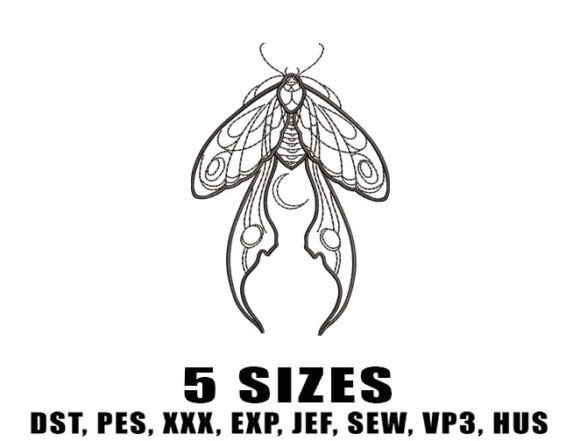
The immediate vibe of Magic Moth is undeniably boho. It strikes a balance between whimsical and earthy, which is a powerful combination in the current handmade market. Unlike rigid geometric patterns or overly complex realistic portraits, this design feels approachable. It has a soft, decorative quality that appeals to buyers looking for unique home decor or personalized accessories. For a small shop product, this "quirky flair" is essential because it stops people in their tracks. In a sea of generic floral motifs, a moth design offers a touch of nature-inspired mystery that feels modern yet timeless.
When considering the visual appeal, the design works exceptionally well as a focal point. It is not so dense that it overwhelms the fabric, nor so sparse that it looks unfinished. This balance is crucial for maintaining the perception of high-quality handmade products. Customers at craft fairs are tactile; they want to feel the texture of the stitch without feeling a heavy, cardboard-like patch of thread. Magic Moth appears to respect the fabric’s natural drape, which is a significant selling point for items like tote bags and scarves.
Product Versatility and Market Fit
To maximize return on investment, a single design must work across multiple product lines. Here is how Magic Moth performs on key items for your weekend display:
- Tote Bag Design: This is perhaps the strongest application. Placed centrally on a canvas tote, the moth becomes a statement piece. It transforms a basic utility item into a fashion accessory. The design scales well, remaining clear even when enlarged to fit a standard grocery-sized bag.
- Apron Embroidery: For kitchen-focused buyers, an embroidered apron featuring this motif adds a layer of personality. It suggests a love for cooking and nature, making it an ideal gift for housewarmings or bridal showers.
- Tea Towel Embroidery: Tea towels are impulse buys. The quirky nature of the moth makes these towels stand out in a stack. However, care must be taken with the fabric texture. Thick waffle-weave towels can distort small details, so testing on smoother linen or cotton is advisable.
- Embroidered Patch: If you offer iron-on or sew-on patches, this design is perfect. It allows customers to customize their own jackets or backpacks. As a standalone item, it has a low production cost and high perceived value.
- Caps and Headwear: While possible, curved surfaces present challenges. The design may need resizing to fit the front panel of a cap without distortion. Ensure the stitch density is adjusted to prevent puckering on the structured fabric of a hat.
Production Practicalities for the Busy Maker
For any embroidery business owner, time is money. Batch production is the key to profitability at craft fairs. Magic Moth seems designed for efficiency. It does not appear to have excessive jump stitches or overly complex color changes that would slow down the machine. This repeatability means you can hoop multiple items and run them in succession while you manage other tasks, such as packaging or customer engagement.
Photography is another critical factor. In our digital age, your printable mockup and actual photos must pop. This design photographs beautifully because of its distinct shape. Against neutral backgrounds like cream, sage green, or terracotta, the moth stands out clearly. This makes creating assets for your Etsy seller profile much easier. You do not need expensive props; the design speaks for itself.
Careful-Use Notes and Technical Considerations
While the design is versatile, there are technical nuances to consider before you commit to full production. Always review the specific details of the commercial embroidery license included with your purchase. Assuming you have the rights to sell finished products, keep the following in mind:
- Stitch Density and Fabric Texture: Check the stitch density settings. If the design is too dense for lightweight fabrics like chiffon or thin cotton, it will cause puckering. Use a cut-away stabilizer for stretchy fabrics and a tear-away for stable woven materials like canvas or denim.
- Thread Colors: The charm of this design relies on contrast. On dark fabric, ensure you use light or metallic threads to make the moth visible. On light fabric, deep earth tones or vibrant jewel tones will highlight the boho aesthetic. Avoid low-contrast combinations that make the design disappear from a distance.
- Small Details: If you plan to shrink the design for small pouches or coin purses, verify that the tiny details do not merge. Small lettering or fine lines can get lost if the design is scaled down too far. Always do a test stitch on scrap fabric before running your final inventory.
- Hoop Size: Confirm the required hoop size. If the design is large, you may need a 5x7 or 6x10 hoop. Ensure your machine can accommodate this and that you have enough stabilizer material to support the entire hooped area.
Enhancing Brand Consistency and Buyer Engagement
Using Magic Moth consistently across your product line can strengthen your brand identity. If your shop specializes in nature-inspired or whimsical goods, this design becomes a signature element. Customers begin to recognize your style, which builds trust and loyalty. At a craft fair, having a cohesive look—where the moth appears on towels, bags, and pillows—creates a visually appealing booth display that draws people in.
Furthermore, this design encourages buyer engagement. It is conversation-starting. People might ask about the symbolism of the moth or compliment the quirky choice. These interactions are opportunities to explain your process, highlight the quality of your thread choices, and ultimately close the sale. It turns a static object into a story.
Final Verdict for the Creative Entrepreneur
In conclusion, Magic Moth is a strong contender for any embroidery designer’s library. It offers the right mix of trendiness and timelessness, fitting perfectly into the boho category without feeling dated. Its versatility across tote bags, aprons, and home decor makes it a safe bet for inventory planning. By paying attention to fabric texture, stabilizer choice, and thread contrast, you can produce high-quality finished products that command premium prices.
Remember to always check the specific file format and license terms provided with the digital embroidery file. Create at least one real mockup to test scaling and visibility. With careful execution, this design can become a staple in your small shop product lineup, driving both online clicks and in-person sales. It is not just a pattern; it is a tool for building a recognizable and profitable handmade brand.