Review: Peony Flower and Butterflies Embroidery Design
As a designer who has spent countless hours staring at stitch maps and testing tension on various fabrics, I approach every new machine embroidery design with a mix of curiosity and caution. We all know that a pretty preview image does not always translate to a clean, professional finished product. Recently, I had the chance to evaluate Peony Flower and Butterflies, a piece from the Single Flowers category, to see if it holds up under the scrutiny of real-world production. This is not just about aesthetics; it is about how this embroidery file performs when you are trying to meet a deadline for a client or stock your Etsy shop with high-quality goods.
First Impressions and Visual Mood
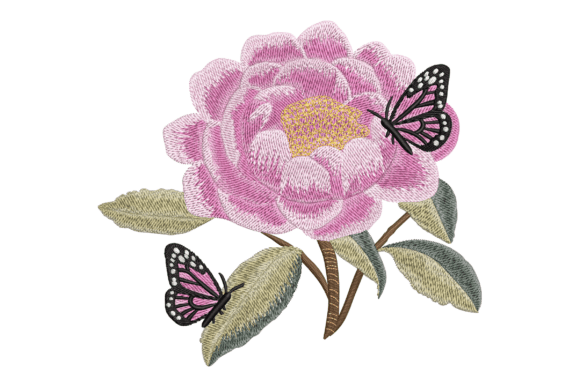
The first thing that strikes you about Peony Flower and Butterflies is its playful yet elegant demeanor. It manages to balance the romantic, lush feel of a peony with the whimsical movement of butterflies. For those of us in the craft business, finding designs that feel "fanciful" without crossing into childish territory is a challenge. This design hits a sweet spot. The layout suggests a natural flow, which is critical when you are working with organic shapes. If the composition feels stiff, the final item looks manufactured rather than handmade. Here, the visual personality feels light and airy, making it an excellent candidate for projects that need a touch of flair without overwhelming the base material.
Real-World Application: The Tote Bag Test
To truly understand the value of this design, I imagined it in a specific scenario: a custom canvas tote bag for a spring boutique launch. Canvas is a forgiving fabric, but it has a distinct texture that can swallow fine details. When visualizing Peony Flower and Butterflies on this surface, the bold outlines of the petals and the wings of the butterflies stand out well. This is where the choice between a satin stitch and a fill stitch becomes crucial. In my experience, designs that rely too heavily on dense fill stitches can become stiff and heavy on a tote bag. However, if this design utilizes a balanced mix of running stitch for outlines and moderate fill for the flower centers, it maintains the drape of the fabric while adding significant visual appeal.
Beyond tote bags, consider sweatshirt embroidery. A crewneck sweatshirt provides a stable, thick surface that handles stitch density well. Placing this design on the left chest or as a larger back piece could elevate a basic garment into a premium custom apparel item. The butterflies add movement that draws the eye, making the piece memorable for customers browsing online or in-store.
Fabric Considerations and Technical Challenges
While the design is versatile, it is not universal. As an experienced reviewer, I must point out where caution is needed. If you plan to use this on thin or stretchy fabrics, such as lightweight jersey for baby embroidery projects, you must be meticulous with your stabilizer choice. The weight of the thread can cause puckering if the fabric is not properly supported. Similarly, on dark fabrics, you need to ensure your thread colors have enough contrast. A pale pink peony might get lost on a navy background unless you use a bright underlay or adjust the color palette to include whites or creams.
Curved surfaces, like caps or hats, present another challenge. The intricate details of the butterflies might distort if the hoop size is too small or if the fabric stretches during stitching. For embroidered patch creation, however, this design could shine. Patches allow for higher stitch density and stiffer backing, which preserves the crispness of the small details in the butterfly wings. Always test the design on scrap fabric first, especially if you are moving from a flat surface like a pillow cover to a curved one like a cap.
Commercial Viability and Brand Consistency
For Etsy sellers and small shop owners, the commercial viability of a design depends on its ability to attract buyers and justify a price point. Peony Flower and Butterflies has strong giftability. It fits seamlessly into categories like wedding gifts, holiday embroidery for spring celebrations, or personalized nursery decor. When customers see a well-executed floral design, they associate it with care and quality. This builds trust in your brand. If you are selling digital products, using this design in printable mockups can help potential buyers visualize the end result, increasing conversion rates.
However, professionalism is key. A sloppy stitch-out can damage your reputation faster than a good design can build it. Ensure that you review the stitch density before running a full production batch. High density might look rich but can perforate delicate fabrics like silk or fine cotton tea towels. Conversely, too low density might look cheap and leave gaps. Finding the right balance is part of the designer’s job.
Practical Designer Notes
Before you commit to using Peony Flower and Butterflies in your next big project, here are some practical steps to ensure success:
- Check Licensing: Always confirm whether the license allows for commercial use if you are selling finished items. Do not assume; read the terms provided with the digital embroidery file.
- Test on Scrap Fabric: Never skip this step. Use the same type of fabric and stabilizer you plan to use for the final product.
- Contrast Check: View the design in black and white on your screen. If the details disappear, you may need to adjust thread colors for better definition on certain backgrounds.
- Hoop Size Confirmation: Verify that the design fits within your machine’s hoop size. While the description mentions it is suitable for various items, always double-check the actual dimensions against your equipment.
- Stabilizer Selection: Match the stabilizer to the fabric. Cut-away for stretchy knits, tear-away for stable wovens, and wash-away for delicate or sheer materials.
Final Verdict
Peony Flower and Butterflies is a strong contender for designers looking to add a touch of nature-inspired elegance to their portfolio. It works well for a variety of applications, from home decor like pillow covers and blankets to wearable art like t-shirts and aprons. Its strength lies in its balanced composition and versatile theme. However, like any tool, its effectiveness depends on the skill of the user and the appropriateness of the material. By paying attention to stitch density, fabric texture, and proper stabilization, you can transform this digital asset into a stunning physical product that resonates with customers. Whether you are creating a one-off personalized gift or stocking inventory for a craft fair, this design offers the flexibility and charm needed to stand out in a crowded market.