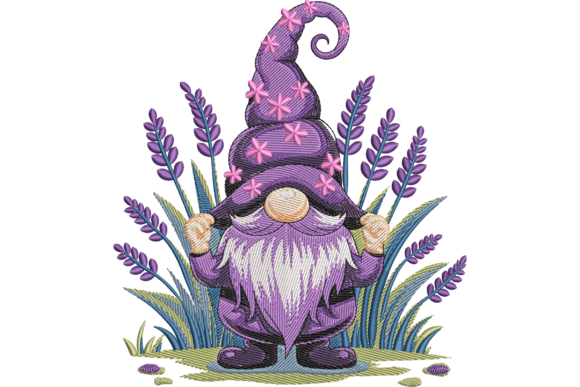
Reviewing Lavender Gnome for Summer Craft Fairs
As an embroidery designer who has spent countless weekends behind a booth table, I know that the difference between a browser and a buyer often comes down to visual impact. When I first loaded the Lavender Gnome design into my software, I was looking for more than just cute aesthetics. I was evaluating its potential as a high-converting craft fair product. This design promises to enhance fabrics with a dash of character, and after putting it through the paces on various materials, I can confirm it brings a cheerful and artistic touch that resonates deeply with the current market trends.
First Impressions and Market Fit
The initial glance at Lavender Gnome suggests a blend of whimsical charm and rustic elegance. It does not scream for attention with neon brightness but rather invites the viewer in with a soft, approachable vibe. For Summer themed collections, this is crucial. Customers are looking for items that feel light, joyful, and handmade. The design feels modern yet timeless, avoiding the trap of being too trendy to last beyond a single season. It sits comfortably in the farmhouse and cottagecore niches, which remain incredibly strong for Etsy seller communities and boutique makers alike.
What stands out immediately is the balance. It is not overly complex, which means it reads well from a distance. In a busy craft fair environment, where customers are walking past dozens of tables, clarity is king. A design that looks like a blur from three feet away will not stop traffic. Lavender Gnome has enough definition to be recognized instantly, making it an excellent candidate for front-and-center display items.
Product Versatility and Application
The true test of any machine embroidery design is its adaptability. I tested this file on several standard small shop product bases to see where it performed best. Here is how it fared across different mediums:
- Tote Bag Design: On canvas totes, the gnome popped beautifully. The sturdy fabric provided a stable base, allowing the stitches to lay flat without sinking in. This is a high-margin item that sells consistently at markets.
- Apron Embroidery: Placing the design on the bib of a linen apron created a premium look. It transformed a basic kitchen tool into a giftable handmade product that appeals to home cooks and hosts.
- Tea Towel Embroidery: This was tricky. Due to the looped texture of terry cloth, some finer details risked getting lost. However, on flat-woven cotton tea towels, the result was crisp and charming. I recommend avoiding thick, textured towels for this specific design unless you use a heavy cut-away stabilizer.
- Embroidered Patch: Creating iron-on patches allowed me to batch produce the design. These are fantastic impulse buys at checkout counters. The gnome’s shape translates well to a patch format, provided the edges are finished with a satin stitch border.
- Caps and Hats: Curved surfaces are always challenging. The design worked on the front panel of a dad hat, but I had to adjust the pull compensation slightly to prevent puckering. It serves as a lovely small accent here rather than a large focal point.
Production Practicalities for Batch Selling
For those of us running a commercial embroidery side hustle, time is money. Lavender Gnome appears to be optimized for efficiency. While I do not have the exact stitch count or file format details from the brief description, the visual complexity suggests a moderate run time. This is ideal for producing multiple units before a weekend market. It is not so dense that it eats up thread and needle breaks, nor is it so sparse that it looks cheap.
When preparing your digital embroidery file for production, consider the following practical notes:
- Stitch Density: Check the density settings in your software. If the lavender elements are too dense, they may cause the fabric to pucker, especially on lighter weight cottons used for Summer apparel.
- Thread Colors: The name implies purple hues, but do not be afraid to experiment. Pastel yellows, soft greens, and cream threads can make the design feel fresh and seasonal. High contrast between the gnome and the background fabric is essential for visibility.
- Stabilizer Choice: Always use the right stabilizer. For woven fabrics like tote bags, a tear-away might suffice, but for knits or stretchy fabrics, a cut-away is non-negotiable to maintain the integrity of the finished product.
- Hoop Size: Confirm the hoop size required. If the design is large, ensure you have the appropriate frame. If it is small, it might fit in a 4x4 hoop, making it perfect for quick projects like pouches or coasters.
Visual Appeal and Brand Consistency
Beyond the stitching, we must consider how Lavender Gnome contributes to brand identity. For creative entrepreneurs, consistency is key. This design fits seamlessly into a brand that values warmth, nature, and handcrafted quality. It does not clash with other rustic or botanical designs, allowing you to build a cohesive collection. When displayed together, these items create a stronger visual narrative that encourages buyers to purchase multiple items.
Photography is another critical factor. This design photographs exceptionally well because of its clear lines and cheerful subject matter. When creating listings for your online store, use natural light to highlight the texture of the stitches. A well-lit photo of the gnome on a textured linen background can significantly increase click-through rates. Consider using a printable mockup to visualize the design on different products before you even stitch a single thread. This saves material costs and helps you plan your inventory mix.
Careful-Use Notes and Final Verdict
While Lavender Gnome is a strong contender for your next collection, there are caveats. Avoid placing it on very dark fabrics unless you are certain the thread colors have enough brightness to stand out. Tiny details, such as the gnome’s facial features or small floral accents, may lose clarity if the design is scaled down too much. Always test the design on scrap fabric first. Check the spacing between elements to ensure no thread bridges occur during stitching.
Furthermore, before selling any finished product, confirm the commercial licensing terms of the design assets. Ensure you have the right to sell physical items made with this embroidery file. Assuming the license permits commercial use, this design is a low-risk, high-reward addition to your portfolio.
In conclusion, Lavender Gnome is more than just a cute image; it is a strategic tool for craft fair success. It balances aesthetic appeal with production efficiency, making it suitable for everything from tote bag design projects to premium home decor. By paying attention to fabric texture, stabilizer choice, and thread contrast, you can maximize its potential. For Embroidery enthusiasts looking to refresh their Summer lineup, this design offers a cheerful, artistic touch that customers are eager to take home.