Reviewing the Smiling Baby Tiger Embroidery Design
As an embroidery designer who has spent years testing digital files for real-world application, I approach every new machine embroidery design with a critical eye. It is not enough for a pattern to look cute on a screen; it must translate beautifully onto fabric, withstand washing, and evoke the right emotional response from the recipient. Recently, I had the opportunity to test the Smiling Baby Tiger design, a charming addition to the Baby Animals category. My goal was to determine if this file is suitable for my personalized gift shop and whether it meets the high standards required for custom orders.
First Impressions: Charm and Emotional Appeal
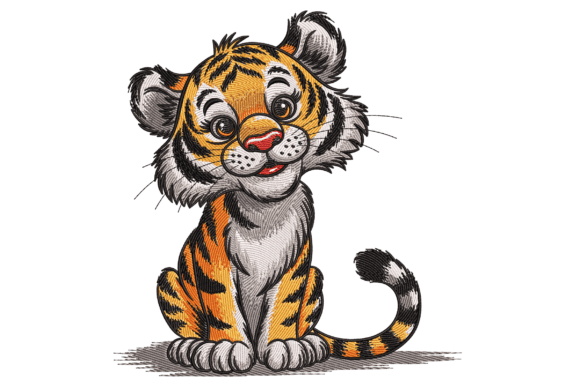
The moment I loaded the preview of Smiling Baby Tiger, I was struck by its playful yet gentle demeanor. In the world of embroidery, capturing the innocence of a baby animal requires a delicate balance between detail and simplicity. This design achieves that balance effortlessly. The expression is undeniably sweet, featuring a soft smile that feels inviting rather than cartoonish. It possesses a handmade quality that resonates with customers looking for something unique and heartfelt.
The mood of the piece is lighthearted and quirky, making it versatile for various applications. It does not feel overly seasonal, which is a significant advantage for small business owners who need inventory that sells year-round. Whether used for a spring baby shower or a winter holiday gift, the design maintains its appeal. The level of detail is appropriate for machine execution, avoiding excessive micro-stitching that could lead to thread breaks or puckering on delicate fabrics.
Versatility in Personalized Gift Products
One of the primary considerations for any Etsy seller or craft fair vendor is versatility. Can this single digital embroidery file work across multiple product lines? In my assessment, Smiling Baby Tiger excels here. I envision this design being particularly effective for baby embroidery projects. Imagine it stitched onto a soft muslin swaddle blanket or a organic cotton onesie. The whimsical nature of the tiger appeals directly to parents and grandparents seeking memorable keepsakes.
Beyond baby items, this design has strong potential for home decor. An embroidered towel featuring this smiling tiger adds a fun flair to a nursery or a child’s bathroom. It also works wonderfully on pillow covers, where the texture of the thread can add depth to the room’s aesthetic. For those creating wedding gifts or family keepsakes, this design could be part of a larger themed set, perhaps paired with other baby animals to create a cohesive collection for a new home.
I also see great potential for custom tote bags and aprons. A handmade product like a canvas tote with this cheerful tiger becomes an instant conversation starter. It elevates a simple utility item into a cherished accessory. For small shop products, offering this design on various items allows you to cater to different price points, from affordable kitchen textiles to premium blanket embroidery.
Technical Considerations and Fabric Challenges
While the design is visually appealing, practical application requires careful attention to technical details. Before committing to a large batch of custom embroidery orders, I recommend rigorous testing. The first step is always to stitch out the design on scrap fabric that matches your intended final product. This helps you evaluate the stitch density and ensure there are no gaps or overlaps that could compromise the integrity of the image.
Fabric texture plays a crucial role in the final outcome. On smooth cottons, the Smiling Baby Tiger will appear crisp and defined. However, on textured fabrics like terry cloth towels or plush fleece blankets, some finer details may get lost. In such cases, increasing the size of the design slightly or using higher contrast thread colors can help maintain visibility. For stretchy baby clothes, using the correct stabilizer is non-negotiable. A cut-away stabilizer is often recommended for knits to prevent distortion after washing.
Dark fabrics present another challenge. If you plan to offer this design on navy or black items, you must ensure that the underlay stitches provide sufficient coverage for the top threads. A printable mockup can help visualize color combinations, but nothing replaces a physical test stitch. Always check small details after stitching, such as the eyes and the outline of the smile, to ensure they are clean and distinct.
Enhancing Perceived Value and Customer Trust
In the competitive market of commercial embroidery, perceived value is everything. A well-executed Smiling Baby Tiger design signals quality and care. When customers see precise stitching and vibrant colors, their trust in your brand increases. This emotional connection is what turns a one-time buyer into a loyal customer. The charm of the design encourages engagement on social media, where buyers love to share photos of their personalized items.
For wedding gift designers or those creating nursery decor, the uniqueness of this design sets your products apart from mass-produced alternatives. It feels special and intentional. By offering this as part of a curated collection, you enhance the overall attractiveness of your shop. High-quality product photography that highlights the texture of the embroidery can further boost buyer engagement, showing off the dimensionality that only machine embroidery can provide.
Practical Steps for Implementation
To ensure success with this design, follow these practical steps:
- Check Hoop Size: Verify that the design fits within your machine’s hoop size limitations. If the design is large, ensure you have the appropriate hoop available.
- Review Licensing: Before selling finished products, confirm the commercial licensing terms associated with the embroidery file. Ensure you have the right to use it for small shop product sales.
- Test Thread Colors: Experiment with different thread palettes. While traditional orange and black work for a tiger, pastel variations might appeal more to the baby market.
- Assess Washability: Wash your test samples to check for thread bleeding or fabric shrinkage. This is vital for items like blanket embroidery and towels that require frequent cleaning.
- Create Mockups: Use digital tools to create realistic previews for your online listings. Show the design on various items to help customers visualize the final personalized gift.
In conclusion, Smiling Baby Tiger is a delightful addition to any embroidery designer’s library. Its blend of charm, versatility, and technical feasibility makes it an excellent choice for creating meaningful personalized gifts. By paying attention to fabric choices, stabilizer types, and stitch quality, you can produce high-end handmade products that delight customers and strengthen your brand. Whether you are an experienced Etsy seller or just starting your journey in custom embroidery, this design offers a reliable and joyful option for your creative portfolio.