Mini Bumblebee: A Designer’s Review for Real Projects
As a designer who has spent countless hours digitizing and stitching out thousands of files, I have developed a keen eye for what works in the real world. We often get swept up in the visual appeal of a machine embroidery design on a screen, but the true test is always how it translates to fabric. Recently, I evaluated Mini Bumblebee, a charming piece from the Bugs category, to determine its viability for client work and small business inventory. This is not just about aesthetics; it is about practical application, stitch quality, and marketability.
First Impressions and Visual Personality
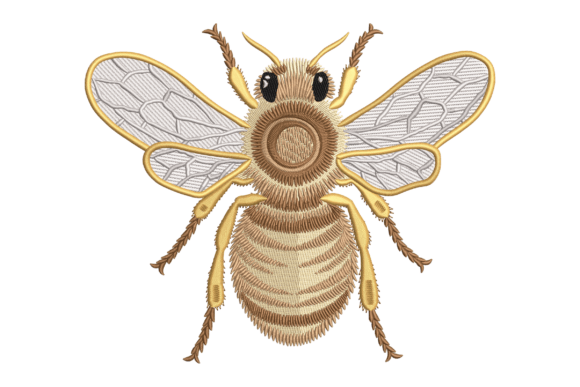
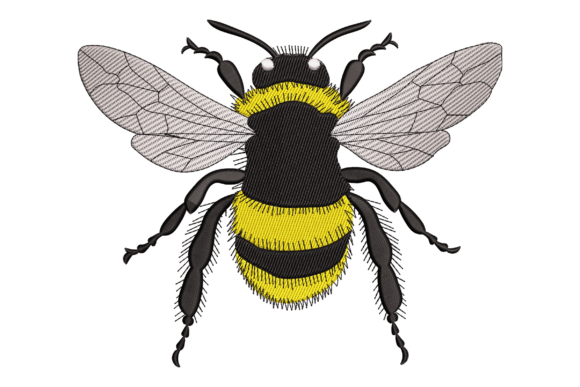
The first thing that strikes you about Mini Bumblebee is its approachable whimsy. It does not try to be hyper-realistic, which is often a mistake in small-scale embroidery. Instead, it leans into a stylized, friendly aesthetic that reads clearly even at reduced sizes. The layout is balanced, with a compact footprint that makes it versatile for various applications. For an Etsy seller or a boutique owner, this visual clarity is crucial. Customers scrolling through digital listings need to instantly recognize the subject matter without squinting at tiny details.
The mood it creates is lighthearted and warm. It feels appropriate for spring collections, nursery themes, or casual everyday wear. When I look at a design like this, I am immediately thinking about color palettes. The classic yellow and black contrast is obvious, but the potential for creative thread choices is where the real value lies. Imagine using pastel yellows for a baby shower gift or metallic gold threads for a more upscale, decorative accent on a home decor item.
Real-World Application Scenarios
To truly understand the utility of Mini Bumblebee, I mentally placed it into several common production scenarios. Here is how it performs across different product types:
- Custom Apparel: On a adult-sized sweatshirt, this design works beautifully as a left-chest logo. It is small enough to be subtle yet distinct enough to serve as a brand identifier for a craft business. On a t-shirt, it could sit centrally for a playful graphic tee.
- Tote Bag Design: Canvas bags are a staple for handmade shops. The sturdy texture of canvas holds up well to the stitch density of a bug motif. Mini Bumblebee adds a pop of personality to an otherwise plain utility item, increasing its perceived value as a personalized gift.
- Baby Embroidery: This is perhaps the strongest use case. Onesies, bibs, and burp cloths benefit from small, cute motifs. The rounded shapes of the bee are safe and appealing for infant products. However, one must be mindful of the fabric stretch and ensure proper stabilization.
- Home Decor: Think kitchen towels or pillow covers. A single bee stitched in the corner of a linen tea towel elevates it from a basic household item to a boutique-quality piece. It fits seamlessly into farmhouse or cottage-core aesthetics.
Technical Considerations for Stitching
While the design is visually appealing, a professional reviewer must look at the technical execution. Without specific data on stitch count or file formats provided in the description, I must advise caution. Always check the technical specifications before purchasing a digital embroidery file. Here are the critical factors I evaluate:
Stitch Density and Type: A design labeled as "cool" and "playful" likely utilizes a mix of satin stitch for outlines and fill stitch for the body. Satin stitches provide a shiny, smooth finish that catches the light, making the bee pop. However, if the satin columns are too wide without proper underlay, they may snag. I recommend testing the design on scrap fabric to check for pull compensation and thread breaks.
Fabric Texture and Stability: The description mentions towels and t-shirts. These are very different materials. A terry cloth towel requires a cut-away stabilizer to prevent the design from sinking into the loops. Conversely, a thin cotton t-shirt needs a lightweight tear-away or no-show mesh to avoid stiffness. If you are stitching on stretchy fabric, such as jersey knits for custom apparel, hooping technique is vital to prevent distortion of the bee’s shape.
Small Details and Corners: In smaller hoop sizes, intricate details can become lost. If Mini Bumblebee includes tiny wings or antennae, verify that these elements are not too fine. Fine details made with running stitch may disappear on textured fabrics like denim or fleece. I always recommend viewing the design in a black-and-white mockup to assess contrast and clarity independent of color.
Commercial Viability and Brand Consistency
For those running a small shop product line, consistency is key. Does Mini Bumblebee fit your brand? If your brand is edgy and modern, this might not align. But for brands focused on family, nature, or handmade charm, it is an excellent asset. It enhances buyer engagement because it evokes an emotional response. People buy feelings, not just thread.
When creating printable mockups or digital previews for your online store, ensure the lighting highlights the texture of the stitches. A flat image does not do justice to the dimensionality of embroidery. Show the design on a curved surface, like a cap or a mug sleeve, to give customers a realistic expectation of the finished product.
Practical Designer Notes
- Test Before Production: Never stitch a new design directly on a final garment. Use similar weight scrap fabric to test tension and registration.
- Thread Color Contrast: While yellow and black are standard, consider testing high-contrast combinations for visibility on dark fabrics. A white outline might help the bee stand out on navy blue.
- Check Licensing: Before selling items made with this commercial embroidery design, confirm the license terms. Some designers allow unlimited physical sales but restrict digital redistribution.
- Hoop Size Confirmation: Ensure the design fits within your smallest available hoop if you plan to offer it on small items like baby socks or patches. An embroidered patch requires tight stitching and possibly a merrowed edge, which this design may or may not support depending on its digitization.
In conclusion, Mini Bumblebee offers a delightful blend of charm and versatility. It is well-suited for a wide range of design assets in a maker’s toolkit. By paying attention to fabric choice, stabilizer selection, and stitch quality, you can transform this simple bug motif into a high-value product that resonates with customers. Whether you are creating a holiday embroidery gift or stocking your online shop, this design holds promise for those who prioritize thoughtful execution.