Rainbow Butterfly: A Craft Fair Embroidery Review
As an embroidery designer who has spent countless weekends standing behind booths at local markets, I have learned that not every design translates well from the screen to the sales table. When I first loaded the Rainbow Butterfly machine embroidery design into my software, my immediate reaction was one of cautious optimism. The title suggests vibrancy, and the description promises a "fun and quirky accent," which is exactly the kind of energy that stops browsers in their tracks at a busy craft fair. However, charm alone does not pay the booth fee. We need to evaluate whether this design holds up under the scrutiny of real-world production and customer interaction.
First Impressions and Visual Appeal
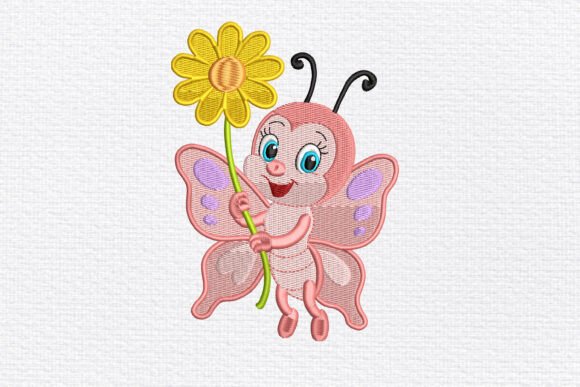
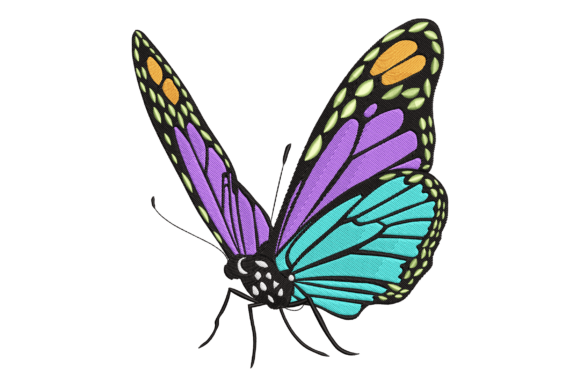
The Rainbow Butterfly falls squarely into the "Bugs" category, but it avoids the overly realistic or scientific look that sometimes limits appeal. Instead, it leans into a whimsical, colorful aesthetic. In a sea of neutral farmhouse decor and minimalist line art, a splash of rainbow color is a strategic advantage. It feels modern yet accessible, appealing to both children and adults who appreciate a touch of joy in their handmade products. For an Etsy seller or small shop owner, this visual pop is crucial for thumbnail images. It stands out against white backgrounds and draws the eye in crowded social media feeds.
When considering the mood, this design is neither strictly elegant nor purely rustic. It sits comfortably in the "cute and contemporary" zone. This versatility is its strongest asset. It does not alienate customers who prefer subtle decor because it can be scaled down to a small accent, nor does it disappoint those looking for a statement piece when enlarged on a tote bag.
Product Versatility and Market Fit
To determine the commercial viability of any digital embroidery file, I mentally place it on various blank products. Here is how Rainbow Butterfly performs across different categories:
- Tote Bags and Market Bags: This is likely the strongest application. A large-scale version of the butterfly centered on a canvas tote creates an instant bestseller. The rainbow threads contrast beautifully against natural cotton or denim, making it a high-visibility craft fair product.
- Apron Embroidery: Placing the design on the bib of a kitchen apron adds personality without overwhelming the garment. It appeals to home cooks who want their kitchen gear to feel personalized and cheerful.
- Tea Towel Embroidery: While the description mentions towels, caution is needed here. Textured waffle-weave towels can distort fine details. This design works best on flat-weave linen or cotton tea towels where the stitch definition remains crisp.
- Embroidered Patches: If you offer custom patches, this design is ideal. The distinct shapes of the wings allow for clean cutting edges. Patches are low-commitment purchases for customers, making them excellent impulse buys at your booth.
- Caps and Hats: Stitching on curved surfaces requires careful digitizing. Ensure the design is not too wide, or it will wrap around the cap awkwardly. A smaller, simplified version of the butterfly works best here.
Production Practicalities for Small Shops
For handmade shop owners and creative entrepreneurs, time is money. Batch production is key to profitability. The Rainbow Butterfly appears to be designed with efficiency in mind, but there are critical technical checks you must perform before committing to a large run.
First, consider the stitch density. Rainbow designs often require multiple thread changes. If the design is densely packed, it may cause puckering on lightweight fabrics like t-shirts. Always use the appropriate stabilizer. For knits, a cut-away stabilizer is usually safer than tear-away to prevent distortion after washing. For woven fabrics like tote bags, a medium-weight tear-away often suffices.
Second, evaluate the thread colors. A true rainbow effect requires six or more distinct thread colors. This means more stops and starts during the embroidery process. Calculate how much extra time this adds to your production cycle. If the design allows for some color blending or if you can simplify the palette without losing the "rainbow" identity, you might speed up production significantly.
Third, check the hoop size requirements. The description does not specify exact dimensions, so you must verify this in your software. Ensure the design fits within your standard hoop sizes to avoid re-hooping, which slows down workflow. If the design is large, confirm that your machine can handle the area without hitting the frame.
Common Pitfalls and Careful-Use Notes
Even the best designs have weaknesses. Here are specific scenarios where Rainbow Butterfly might struggle:
- Dark Fabric: Rainbow colors can get lost on black or navy fabric unless you use a bright underlay or choose high-saturation threads. Test on dark scraps first.
- Tiny Details: If the butterfly includes very small wing patterns or antennae, these may not stitch out cleanly at smaller sizes. Avoid shrinking the design below the recommended minimum, as intricate details can become a tangled mess.
- Textured Surfaces: As mentioned with towels, avoid highly textured fabrics like thick terry cloth unless the design is bold and simple. Fine lines will disappear into the pile.
- Commercial Licensing: Before selling any finished product, confirm the license terms of the digital embroidery file. Most designers allow physical sales of finished items but prohibit sharing the file itself. Always respect intellectual property rights.
Enhancing Brand Consistency and Buyer Engagement
Using Rainbow Butterfly consistently across your product line can strengthen your brand identity. Imagine a booth display where the same butterfly motif appears on pillows, pouches, and wall hangings. This repetition creates a cohesive look that feels professional and curated. It signals to buyers that you are a serious designer, not just someone stitching random clips onto blanks.
For online listings, create a printable mockup or take high-quality photos of the design on different fabric textures. Show the sheen of the satin stitches and the texture of the fill stitches. Customers buying handmade products want to see the quality of the craftsmanship. Highlighting the vibrant thread colors in your photos will increase click-through rates and conversion.
Final Designer Verdict
The Rainbow Butterfly is a strong contender for any embroidery business looking to add a playful, colorful element to their inventory. It transforms simple fabrics into charming, giftable items that resonate with a wide audience. However, success depends on execution. Do not skip the test stitch on scrap fabric. Check your tension, inspect the back for excessive jumping threads, and ensure the stabilizer is appropriate for the fabric weight.
If you are an Etsy seller or a craft fair veteran, this design offers the flexibility to create both high-margin focal pieces and quick-turnaround impulse items. By paying attention to stitch density, thread contrast, and fabric choice, you can turn this digital asset into a reliable revenue stream. Remember, the goal is not just to stitch a bug, but to create a finished product that brings joy to the buyer and profit to your business. With careful preparation, Rainbow Butterfly can certainly flutter its way into your best-seller list.